








Understanding Paver Driveways: Benefits and Features
When considering enhancements to your outdoor space, paver driveways stand out as an appealing option. A paver driveway not only adds aesthetic value to your property but also significantly improves functionality. This type of driveway employs individual pieces of stone or concrete that interlock, creating a durable surface. Whether you’re looking to improve your home’s curb appeal or seeking longevity in construction, understanding paver driveways is essential. For those exploring options, Paver driveway near me provides comprehensive insights.
What is a Paver Driveway and How Does it Work?
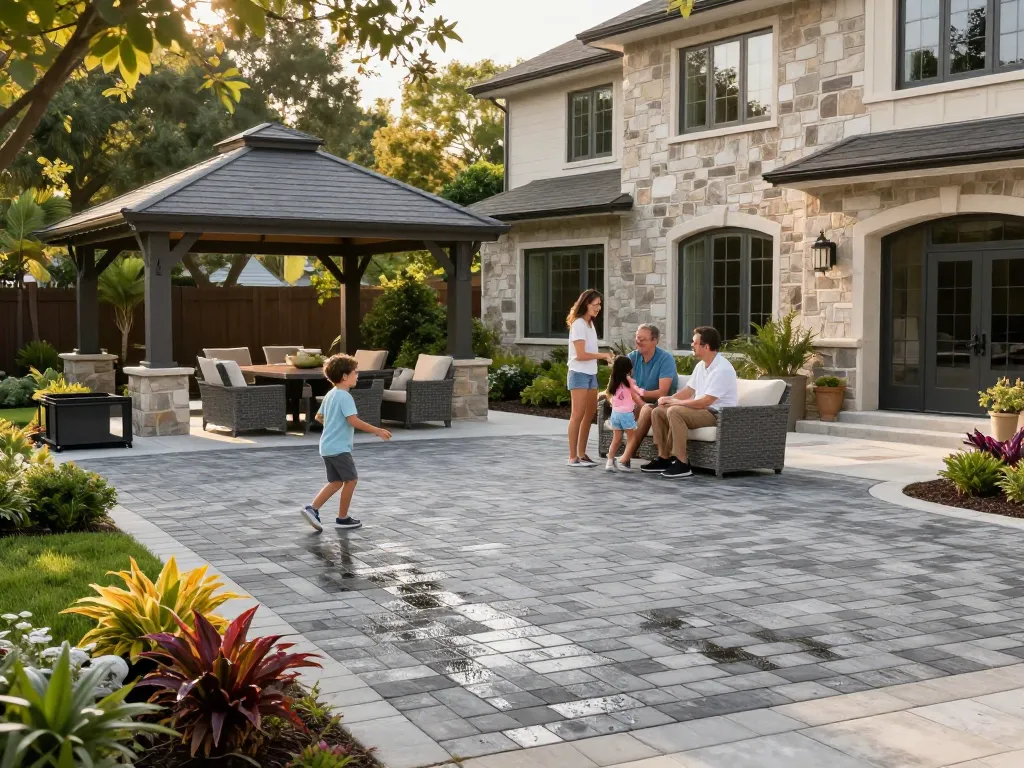
A paver driveway is constructed using paving stones, bricks, or concrete blocks that are laid in a specific pattern, ensuring stability and aesthetics. This system allows for drainage and reduces the risk of cracking, a common issue with traditional asphalt or concrete driveways. Each brick or stone can be replaced individually if damaged, which enhances the longevity of the driveway.
Key Benefits of Installing a Paver Driveway
- Durability: Paver driveways are engineered to withstand heavy loads and resist cracking.
- Aesthetic Variety: With numerous colors, shapes, and designs, homeowners can create a customized look.
- Low Maintenance: These driveways require less frequent repairs than traditional surfaces.
- Improved Drainage: Pavers allow rainwater to filter through, reducing runoff and erosion.
- Increase Property Value: A well-installed paver driveway can enhance curb appeal, which can increase property value.
Common Materials Used in Paver Driveway Construction
The choice of materials for paver driveways varies widely, allowing homeowners to select based on budget, style, and durability needs. Some common materials include:
- Concrete Pavers: Versatile and cost-effective, they come in various colors and designs.
- Clay Bricks: Known for their aesthetic appeal and durability, clay bricks provide a rustic look.
- Natural Stone: Providing the ultimate in luxury, natural stone pavers are unique and durable.
- Composite Pavers: Made from recycled materials, these offer eco-friendly options that mimic the look of stone.
Choosing the Right Paver Driveway for Your Home
Selecting the perfect paver driveway involves careful consideration of several factors, ensuring the final choice complements your home and meets your needs. The following sections will guide you through essential aspects to consider.
Factors to Consider When Selecting Pavers
When selecting pavers for your driveway, consider the following:
- Climate and Weather Resistance: Choose materials that will withstand local weather conditions.
- Load-Bearing Capacity: Ensure that the pavers are suitable for the weight they will bear, especially for driveways.
- Style and Color: Match pavers with your home’s architectural style and personal taste.
- Budget: Set a budget that considers both materials and installation costs.
How to Choose the Perfect Color and Style
Your driveway should not only be functional but also enhance the overall look of your home. When selecting color and style, consider the following:
- Complementary Colors: Choose pavers that complement your home’s exterior.
- Pattern and Layout: Explore different laying patterns, such as herringbone or circular designs, to achieve a specific aesthetic.
- Resale Considerations: Neutral and classic styles tend to appeal to a broader range of potential buyers.
Understanding Installation Costs: What to Expect
The cost of installing a paver driveway can vary significantly based on multiple factors, including materials, labor, and complexity of the design. Typically, homeowners should expect to pay between $15 to $30 per square foot for installation. Be sure to obtain multiple quotes from contractors to ensure a competitive price.
Installation Process for Paver Driveways
The installation of a paver driveway is crucial for ensuring its longevity and performance. A professionally installed driveway can ensure that all necessary precautions are taken, while a do-it-yourself approach requires careful planning and execution.
Step-by-Step Guide to Paver Driveway Installation
- Planning and Design: Measure the area and create a plan, considering drainage and layout.
- Prepare the Base: Excavate the area and lay a firm base, typically involving gravel for drainage.
- Laying the Pavers: Start placing the pavers from one corner, maintaining the design pattern chosen.
- Filling the Joints: Use a special sand to fill joints between pavers, locking them in place.
- Compacting the Surface: Use a compactor to settle the pavers and ensure they are secure.
Tools and Equipment Needed for Installation
To successfully install a paver driveway, homeowners or contractors will need the following tools:
- Excavator or shovel for earth moving.
- Compactor or plate tamper for setting the base.
- Level for ensuring that the surface is even.
- Rubber mallet for adjusting pavers.
- Jointing sand for filling gaps.
Hiring Professionals vs. DIY: Pros and Cons
Choosing between hiring professionals or undertaking a DIY project can significantly impact the outcome. Here are some pros and cons:
- Hiring Professionals: They bring expertise, tools, and guaranteed workmanship but can be more expensive.
- DIY: Lower costs and personal satisfaction come with the risk of potential errors and additional time commitments.
Maintenance Tips for Long-lasting Paver Driveways
Maintaining your paver driveway is essential for ensuring its longevity and appearance. Regular upkeep can help you avoid costly repairs in the future.
Regular Cleaning and Upkeep Essentials
To keep your paver driveway looking its best, adhere to the following cleaning practices:
- Regularly sweep away debris and leaves to prevent staining.
- Use a hose or pressure washer to clean surfaces, particularly in high-traffic areas.
- Address spills or stains promptly with appropriate cleaners.
Common Issues and How to Resolve Them
Like any outdoor surface, paver driveways can encounter issues. Common problems include:
- Uneven Pavers: Re-leveling is necessary to maintain a flat surface.
- Weeds: Regularly apply weed preventatives to minimize growth in joints.
- Joint Sand Erosion: Reapply joint sand as needed to prevent shifting.
Seasonal Maintenance Checklist for Paver Driveways
Follow this seasonal maintenance checklist to keep your driveway in optimal condition:
- Spring: Clean debris and apply a new layer of joint sand.
- Summer: Check for weeds and inspect for settling.
- Fall: Prepare for winter by removing leaves and cleaning.
- Winter: Remove snow with a plastic shovel to avoid damage.
Future Trends in Paver Driveways for 2026 and Beyond
The paving industry is constantly evolving, and several trends are emerging that could shape the future of paver driveways.
Innovative Designs and Sustainable Materials
Future paver driveways are expected to embrace more sustainable materials, including recycled composites or composites designed to be more eco-friendly. Additionally, innovative designs will center around interconnected paving systems that integrate with the landscape.
Smart Technology Integration in Outdoor Spaces
Smart technology is becoming a staple in home design, and driveways could be no exception. Innovations may include heated pavers that melt snow and ice or integrated lighting systems that enhance safety and aesthetics.
Predictions for the Future of Home Landscaping
As the demand for outdoor living spaces grows, the use of paver driveways is likely to expand, offering homeowners more options for customization and functionality. Landscape designs in 2026 and beyond will focus on seamless transitions between indoor and outdoor spaces.
What are the advantages of a paver driveway?
The advantages include durability, aesthetic appeal, environmental friendliness, and ease of repair. These driveways can last decades with proper maintenance and provide a unique look.
How long does a paver driveway last?
With proper installation and maintenance, a paver driveway can last for 25 to 50 years, depending on the materials used and local climate conditions.
Can I install a paver driveway myself?
While it’s possible to DIY a paver driveway, it requires careful planning, physical effort, and specific skills. Hiring a professional is often recommended for optimal results.
What maintenance does a paver driveway require?
Maintenance includes regular cleaning, joint sand replenishment, and addressing any settling or unevenness to keep the driveway functional and attractive.
Are paver driveways environmentally friendly?
Yes, paver driveways are environmentally friendly as they allow for water drainage, reducing runoff and erosion compared to traditional asphalt or concrete surfaces.