








Understanding Cape Cod Homes
Historical Overview of Cape Cod Homes
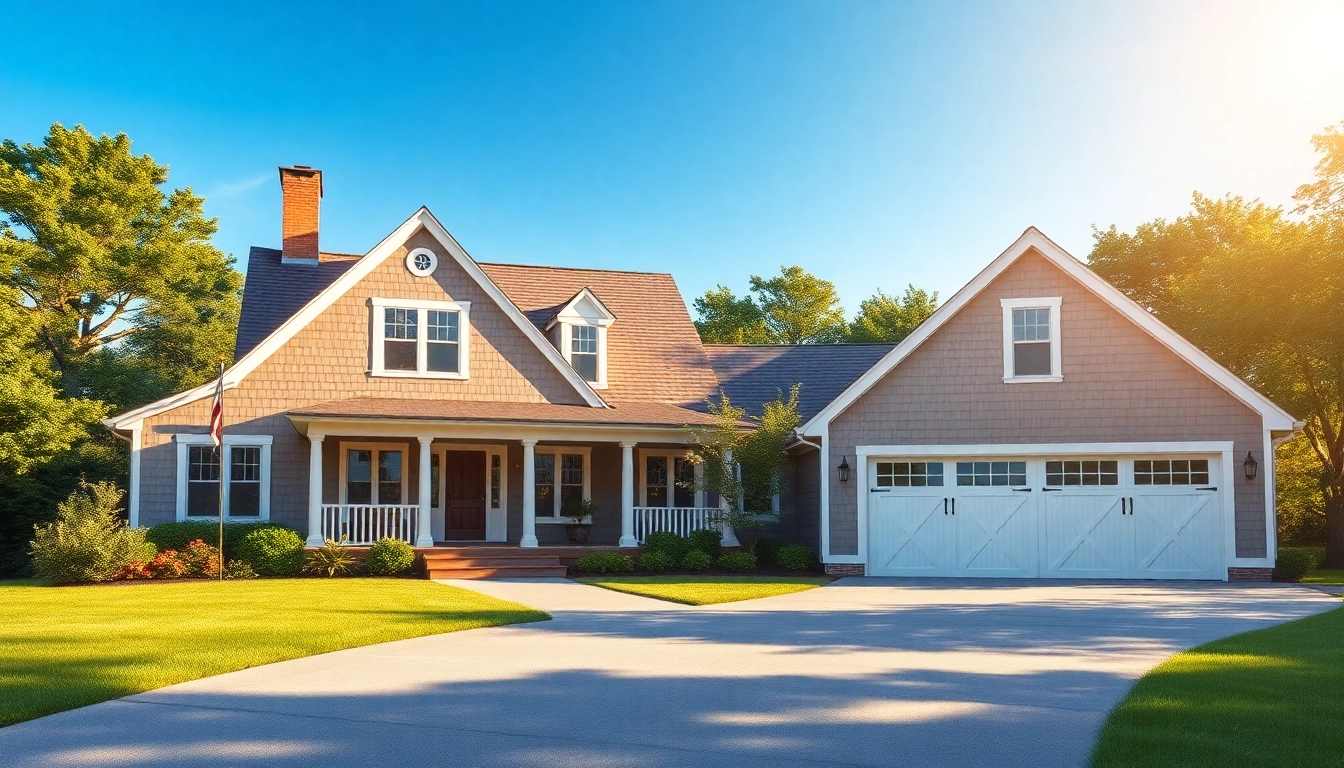
Cape Cod homes trace their origins to early American settlers in the 1600s who sought a simple, functional, and durable architectural style suitable for New England’s coastal climate. Recognizable by their steep roofs, dormer windows, and symmetrical facades, these homes were designed to withstand harsh winters and high winds. Over the centuries, Cape Cod architecture has evolved, incorporating elements of Colonial and Federal styles, while retaining its essential characteristics and charm. Today, Cape Cod homes are a symbol of heritage and tradition, representing not only a style of living but also a connection to the region’s rich history.
Common Features of Cape Cod Homes
The quintessential Cape Cod home exudes a distinctive aesthetic, characterized by its:
- Steeply Pitched Roof: This design assists in shedding snow and rain, offering a practical solution to weather challenges.
- Dormer Windows: Often added to provide natural light and additional living space in the attic, these elements enhance the home’s visual appeal.
- Symmetrical Design: The balance in window placement and door positioning creates a pleasing look, reinforcing the architectural integrity.
- Wooden Siding: Traditionally painted in soft colors, the wooden exterior provides both beauty and protection against the elements.
- Functional Layout: Cape Cod homes feature an open floor plan, typically with a central fireplace that serves as a focal point.
Popularity and Demand in Today’s Market
Today, cape cod homes are highly sought after, particularly in regions near the East Coast where their historical significance enhances property values. The demand continues to rise as homeowners search for residences that combine traditional charm with modern convenience. Renovations and expansions of these homes have gained popularity, maintaining architectural integrity while offering updated amenities that cater to contemporary lifestyles.
Benefits of Expanding Your Cape Cod Home
Increased Living Space and Functionality
One of the primary motivations behind expanding a Cape Cod home is the need for more living space. Whether accommodating a growing family, providing a home office, or creating entertainment areas, expansions can significantly enhance the functionality of the living environment. Common methods include finishing attics, expanding the footprint with additions, or converting garages into livable spaces. Such alterations can transform cramped spaces into functional rooms that better suit modern living demands.
Enhancing Property Value
Home expansions not only improve personal comfort but also increase property values. Expanding a Cape Cod home can yield a significant return on investment, particularly when the growth is in line with existing architectural features. Real estate agents note that well-executed renovations can attract potential buyers who appreciate homes that meld traditional aesthetics with modern boosts—making a property more competitive in the marketplace.
Improving Aesthetic Appeal
Beyond practical benefits, an expansion can elevate a Cape Cod home’s visual landscape. Thoughtfully designed extensions can enhance curb appeal and harmonize with the existing structure. By using matching siding, colors, and roofing materials, homeowners can ensure that the new spaces blend seamlessly, preserving the character that defines Cape Cod architecture.
Design Considerations for Attached Garages
Architectural Harmony with Existing Structures
When considering an attached garage, it is essential to maintain architectural harmony with the existing home. The garage should match the home in style, ensuring continuity in design. Factors such as roof pitch, window design, and materials should reflect those of the Cape Cod home. A well-integrated garage can enhance overall aesthetics and prevent it from appearing as an afterthought.
Choosing Materials that Complement Your Home
Material selection is crucial in the construction of an attached garage. It’s advisable to select materials that not only match the existing home but also offer durability against the coastal climate. Wood siding, for example, can be treated to withstand humidity and salt air, while shingles should be chosen carefully to maintain authentic Cape Cod styling. The right materials help ensure that the garage not only looks good but performs well over time.
Optimizing Layout for Convenience
The layout of an attached garage should prioritize convenience and accessibility. Consideration should be given to how residents will use the space daily. Features like ample room for storage, easy access to the house, and avoiding narrow pathways can greatly enhance functionality. Including features such as mudrooms can facilitate a smooth transition between the garage and living spaces, minimizing clutter and promoting organization.
Best Practices for Cape Cod Home Expansions
Consulting with Design Professionals
When planning an expansion, consulting with experienced design professionals is vital. Architects and designers familiar with Cape Cod architecture can offer insights into maintaining the home’s character while enhancing its functionality. Their expertise can help homeowners navigate the complexities of design, improving both aesthetics and practicality in expansion challenges.
Understanding Local Zoning Laws
Before proceeding with any expansion plans, homeowners must be aware of local zoning laws and building regulations. Regulations can dictate the size, location, and even the design of additions. Engaging with local officials or consulting with a professional can help ensure compliance, avoiding potential legal hurdles, delays, and additional costs.
Budgeting for Expansions
Effective budgeting is critical to the success of any home expansion. Homeowners should account for materials, labor costs, permits, and unexpected expenses in their financial plans. By establishing a clear budget and prioritizing needs, homeowners can avoid overspending while still achieving their desired enhancements. Moreover, setting aside a contingency fund can mitigate risks associated with unforeseen issues arising during the construction process.
FAQ on Cape Cod Homes and Expansions
What defines a Cape Cod home?
A Cape Cod home is characterized by its steeply pitched roof, symmetrical design, and dormer windows. Originally built for functionality, these homes exemplify New England’s architectural history.
What are the costs involved in expanding a Cape Cod home?
Costs for expanding a Cape Cod home vary based on the scope of work, materials used, and labor costs. Typical expenses include construction, design fees, permits, and potentially increased property taxes.
How can I maintain the style of my Cape Cod home during renovations?
To maintain the style, use matching materials, colors, and architectural details that align with the original home’s design. Hiring experienced professionals can also ensure aesthetic consistency.
Do attached garages require special planning?
Yes, attached garages need careful planning to ensure they complement the existing structure and meet local building codes. Consideration of design, orientation, and materials is essential.
What are popular design trends for expiring Cape Cod homes?
Popular trends include open floor plans, eco-friendly materials, and modern amenities integrated into traditional designs. The focus is on enhancing comfort while preserving classic aesthetics.