









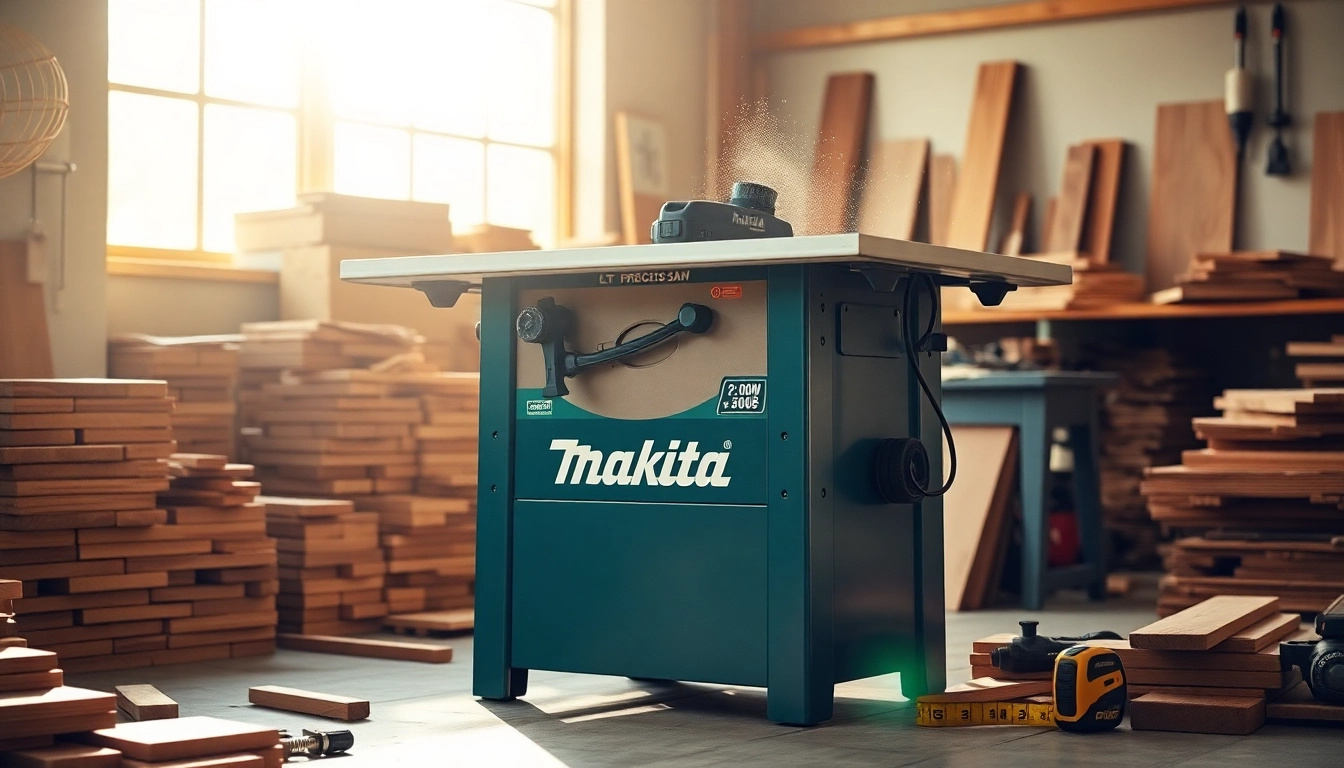
Understanding the Makita Table Saw
Whether you’re a professional woodworker or a DIY enthusiast, having the right tools is essential for achieving high-quality results. Among these tools, the makita table saw stands out for its reliability, precision, and performance. Understanding the features, selection criteria, and safety practices associated with this tool can significantly enhance your woodworking experience.
Features of Makita Table Saw
Makita table saws are engineered with a variety of features that make them suitable for both professional and home use. Some common features include:
- Powerful Motors: Many models boast high-powered motors that allow for smooth and precise cuts through various materials.
- Portable Design: Models equipped with folding stands and lightweight constructions ensure portability without compromising stability.
- Accurate Cutting Systems: Advanced blade alignment systems and telescopic fences ensure high-accuracy cutting, maintaining a straight line.
- Blade Protection: Safety features such as blade guards and riving knives reduce the risk of kickbacks during operation.
- Dust Collection Systems: Integrated dust collection ports help maintain a clean workspace by effectively managing sawdust and debris.
How to Choose the Right Makita Table Saw
Selecting the right makita table saw involves understanding your specific needs and how each model aligns with those requirements. Consider the following factors:
- Power Requirements: Look for horsepower and torque ratings suitable for the type of materials you’ll be working with.
- Table Size: A larger table is beneficial for accommodating larger workpieces, while a compact table saw may be suitable for smaller projects.
- Portability: Assess whether you need a stationary saw for a workshop or a portable model for job sites.
- Safety Features: Ensure the table saw includes essential safety features to protect against accidents.
- Brand Reputation: Consider reviews and expert recommendations to ensure you’re investing in a reputable model that suits your needs.
Safety Practices with Makita Table Saw
Using the makita table saw requires strict adherence to safety protocols to prevent accidents. Here are essential safety practices:
- Always wear safety goggles and a dust mask to protect your eyes and lungs from debris.
- Ensure the blade guard is in place before operating the saw.
- Keep hands away from the blade and use push sticks for narrow cuts.
- Check for any damage or wear on the blade before every use.
- Make sure the saw is stable and set on a flat surface to avoid wobbling during cuts.
Essential Setup for the Makita Table Saw
Preparing Your Workspace
A well-prepared workspace is vital for efficient and effective operation of your makita table saw. Here’s how to prepare your work environment:
- Clear the Area: Ensure the workspace is free of clutter and distractions to maintain focus.
- Set Up Proper Lighting: Good lighting is necessary for accurately observing cuts and avoiding misalignments.
- Organize Tools and Materials: Keep frequently used tools and materials within arm’s reach to enhance workflow efficiency.
Aligning the Makita Table Saw
Correct alignment of your makita table saw ensures accurate cuts. Here are steps to achieve it:
- Verify that the table is level and stable.
- Adjust the blade height and angle according to the material you are working with.
- Use a square to check if the blade is perpendicular to the table surface.
- Perform a test cut on scrap material to ensure everything is correctly aligned.
Common Setup Mistakes
Avoid these common setup mistakes to enhance safety and cutting accuracy:
- Skipping the alignment check can lead to mis cuts.
- Neglecting to tighten all adjustments can cause the saw to shift during operation.
- Using dull blades without inspection compromises cutting efficiency and safety.
Best Techniques for Using the Makita Table Saw
Making Accurate Cuts
Achieving accurate cuts with a makita table saw requires practice and technique. Here are some essential suggestions:
- Always measure twice before cutting.
- Utilize the fence and miter gauge for straight cuts and angled cuts, respectively.
- Feed the material steadily to avoid tearing or binding.
Handling Different Materials
Different materials require varied approaches when using the makita table saw:
- Softwoods: They cut easily but should be pushed steadily to avoid splintering.
- Hardwoods: Use slower feeds with a sharper blade to ensure a clean cut.
- Composite Materials: Adjust blade height and feed rate to minimize chip-out on surfaces.
Advanced Cutting Techniques
For seasoned users keen on enhancing their skills, consider incorporating advanced techniques:
- Bevel Cuts: Adjust the blade angle for unique joins and aesthetics in your projects.
- Dado Cuts: Utilize specific blades to create grooves for shelving or inlays.
- Profile Cuts: Experiment with different shapes by using jigs and templates.
Maintaining Your Makita Table Saw
Regular Maintenance Checklist
To extend the lifespan of your makita table saw, regular maintenance is key. Follow this checklist:
- Clean the table and surrounding area after each use.
- Inspect and replace dull blades regularly.
- Lubricate moving parts as specified in the user manual.
- Check the electrical cord for wear or damage.
Troubleshooting Common Issues
Occasionally, you may encounter issues with your table saw. Here are troubleshooting tips:
- If the blade is not spinning, ensure the power supply is connected and the switch is functional.
- For misalignment, repeat the alignment process and double-check adjustments.
- If cuts are uneven, inspect the blade for any damages or adjust the fence.
When to Call a Professional
While many issues can be fixed by following the troubleshooting steps, some conditions may require professional assistance:
- Persistent electrical issues that cannot be resolved.
- Severe blade misalignment that cannot be corrected.
- Structural damage to the saw body or stand.
Maximizing Performance with the Makita Table Saw
Enhancing Precision
Precision is paramount in woodworking; hence, using your makita table saw correctly can make a significant difference. Here are ways to boost precision:
- Ensure consistent pressure on your materials during cuts.
- Regularly calibrate your setup to maintain the required settings.
- Utilize high-quality blades designed for specific tasks for optimal results.
Optimal Blade Selection
Choosing the right blade is crucial for the performance of your makita table saw. Here’s how to select an optimal blade:
- Selecting the right tooth count can dramatically affect cut quality; more teeth typically yield a finer cut.
- Blades designed for specific materials (e.g., plywood, hardwood) will ensure better outcomes.
- Evaluate blade design (e.g., carbide-tipped vs. non-carbide) based on your frequency of use and material types.
Leveraging Accessories for Better Results
Using accessories can greatly enhance the functionality of your makita table saw. Here are a few essentials:
- Extension Tables: These can provide additional support for larger materials.
- Jigs and Fixtures: Specialized jigs can improve repeated cut accuracy and efficiency.
- Dust Collection Attachments: Enhancing dust collection can create a cleaner working environment and streamlined workflow.
Conclusion
In conclusion, mastering the makita table saw can significantly improve your woodworking capabilities, whether you’re a seasoned professional or a novice. By understanding its features, implementing the right setup, practicing advanced techniques, and maintaining the saw properly, you’ll be well on your way to producing high-quality woodwork. For a range of reliable tools, explore the extensive catalog available at Mistrer Worker.