









Understanding Colonial Home Construction
Colonial home construction is a revered architectural approach, reflecting rich historical roots and a focus on traditional design. With a resurgence in interest for classic aesthetics, understanding the nuances of this style can significantly enhance the building experience. Whether you’re dreaming of constructing a new home or restoring an old one, a solid grasp of colonial homes can guide your decisions, ensuring your project aligns with your vision. Engaging with the principles of colonial home construction can pave the way for an authentic and enduring structure.
What Defines Colonial Architecture?
Colonial architecture encompasses a variety of regional styles that can be traced back to the early American settlers. Often characterized by symmetrical facades, centered front doors, and evenly spaced windows, colonial homes evoke a sense of order and simplicity. The distinct outline is typically rectangular, and they often feature two or three stories, creating a sense of grandeur without overwhelming the surrounding landscape.
Common Materials Used in Colonial Home Construction
Colonial homes usually utilize materials indigenous to the area, which was essential for early settlers. Commonly employed materials include:
- Wood: Used for framing, siding, and details, giving a warm, natural feel.
- Brick: A durable option, often used in Southern Colonial styles, providing weather resistance.
- Stone: Used for foundations and exterior detailing, offering stability and timeless elegance.
- Shingles: Wooden shingles were popular for roofing, creating an inviting, homestyle appearance.
Historical Context and Importance of Colonial Homes
Colonial homes originated in the 17th and 18th centuries when European settlers adapted their architectural traditions to American landscapes. Their significance lies not only in their aesthetic appeal but also in their representation of cultural identity and adaptation. These homes often served as gathering places, unifying families and communities through generations.
Planning Your Colonial Home Construction
Essential Steps for Effective Planning
Planning a colonial home construction requires a thoughtful approach. Here are essential steps:
- Research: Investigate colonial styles and select one that resonates with you.
- Design Consultation: Work with architects to develop a design that embodies authenticity and meets modern needs.
- Blueprint Verification: Ensure architectural plans comply with local codes and regulations.
Budgeting for a Colonial Home Build
Budgeting is crucial in any construction project. Colonial home construction can vary greatly in cost depending on location, materials, and customization. An average cost estimate ranges from $150 to $400 per square foot. Consider establishing a detailed budget that encompasses land acquisition, materials, labor, permits, and furnishing expenses.
Choosing the Right Location for Your Home
Location plays a significant role in the construction of a colonial home. Search for areas that align with the aesthetic you desire. Consider factors like topography, climate, and proximity to services. Historical neighborhoods or places with similar architectural styles often provide inspiration and complement your colonial design.
Design Elements of Colonial Homes
Key Features of Colonial Architecture
Colonial homes are distinguished by several key features:
- Symmetry: A hallmark of colonial architecture, the balance creates visual harmony.
- Porches: Often featured as grand entry points, they serve as transitional spaces between indoors and outdoors.
- Classic Rooflines: Gable roofs are prevalent, enhancing the architectural silhouette and aiding with water drainage.
- Window Styles: Multi-paned double-hung windows frame the house, emphasizing symmetry and natural light.
Interior Design Options for Colonial Homes
The interior of colonial homes should reflect the historical significance while accommodating modern needs. Consider incorporating:
- Fireplaces: Centralize living spaces around traditional hearths for warmth and character.
- Wainscoting: Decorative woodworking, especially in dining areas, adds elegance and depth.
- Color Palettes: Opt for muted tones reminiscent of colonial times, such as soft greens, blues, and warm neutrals.
- Antique Furnishings: Curate decor that harmonizes with colonial aesthetics for an authentic feel.
Landscaping Ideas to Complement Colonial Style
Landscaping should enhance the colonial home’s charm. A few ideas to consider include:
- Formal Gardens: Structured layouts with defined paths and flower beds echo colonial design principles.
- Stone Walls and Fences: Create natural boundaries that complement the architectural style.
- Symmetrical Planting: Align shrubs and trees for balance, reflecting the symmetrical nature of colonial homes.
- Patios and Walkways: Use brick or stone for patios and paths to connect the home with nature harmoniously.
Building Techniques for Colonial Homes
Framing Methods Specific to Colonial Construction
Colonial homes typically employ traditional framing techniques. Key framing methods include:
- Balloon Framing: Early colonial builders often utilized balloon framing, allowing for quicker construction.
- Platform Framing: This method balances efficiency and structural integrity, widely used today.
- Post-and-Beam: A hallmark of New England Colonial homes, this framing style showcases wooden beams prominently.
Energy Efficiency in Colonial Home Construction
Incorporating modern energy efficiency measures is vital for new colonial constructions:
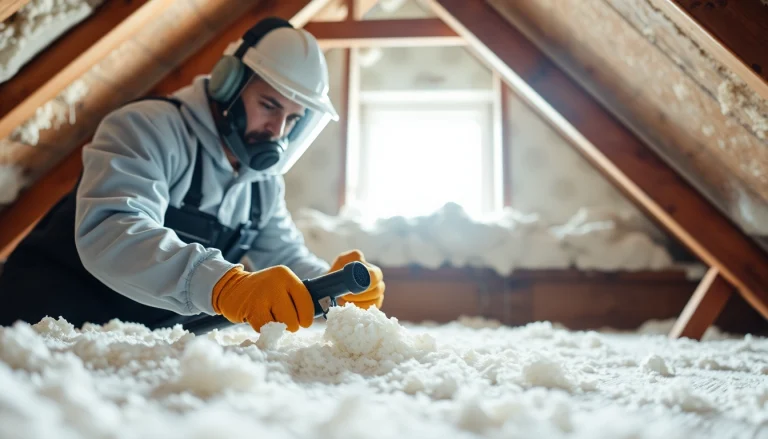
- Insulation: High-grade insulation for walls and attics minimizes heat loss, improving energy efficiency.
- Energy-efficient Windows: Installing double or triple-glazed windows reduces energy consumption.
- Smart Home Technology: Integrating smart thermostats and energy management systems for enhanced control.
Best Practices for Quality Assurance
Ensuring quality in colonial home construction is essential. Follow these best practices:
- Hire Experienced Professionals: Work with architects and builders familiar with colonial styles to avoid design pitfalls.
- Regular Inspections: Conduct routine checks during construction to ensure compliance with your vision and regulations.
- Thorough Documentation: Keep detailed records of the building process to ensure transparency and reliability.
Frequently Asked Questions about Colonial Home Construction
What is the cost range for colonial home construction?
Costs can vary widely based on location, materials, and customization, generally ranging from $150 to $400 per square foot.
How long does it typically take to build a colonial home?
Depending on the size and complexity, constructing a colonial home can take anywhere from 6 months to over a year.
Are there specific permits required for colonial home construction?
Yes, building permits are usually required for construction projects, varying by location and local regulations.
Can colonial homes be renovated to modern standards?
Absolutely! Many colonial homes can be updated with modern amenities while preserving their historical charm.
What maintenance do colonial homes require?
Regular inspections, maintenance of exterior woodwork, and updates to plumbing and electrical systems are essential for longevity.