









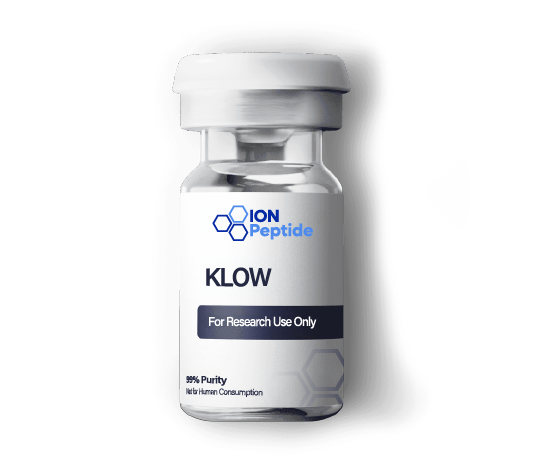
Introduction to Ion Peptide Research
The realm of peptide research and biotechnology continues to expand significantly, shedding light on innovative therapeutic avenues and applications. Central to this exploration is KLOW, a compound demonstrating promising potential in various fields, particularly in health and wellness. As research progresses, understanding the foundational concepts surrounding peptides is essential for grasping their diverse applications.
What are Peptides?
Peptides are short chains of amino acids, which are the building blocks of proteins. Typically, they consist of 2 to 50 amino acids, whereas proteins are made of longer chains. Their sequence and structure profoundly influence their biological function. Peptides play various roles in the body, acting as hormones, neurotransmitters, and cellular messengers, and are crucial for numerous physiological processes.
Importance of Peptides in Modern Biology
Peptides have emerged as pivotal molecules in modern biology due to their versatility and specificity. They are involved in critical biological functions, including cell signaling, immune responses, metabolism, and tissue regeneration. The ability to engineer peptides for specific functions makes them an invaluable tool in drug development, enabling targeted therapies that minimize side effects commonly associated with traditional pharmaceuticals.
Overview of Ion Peptide Research Principles
Ion Peptide Research focuses on the development and application of peptide-based technologies, emphasizing methods that harness the unique properties of peptides. The principles include understanding peptide stability, bioavailability, and their interaction with biological targets. A rigorous approach incorporating empirical data helps facilitate the translation of laboratory findings into therapeutic contexts, ensuring that innovations contribute positively to health sciences.
Key Applications of Peptides
Peptides have gained recognition across multiple disciplines—from medicine to cosmetics to nutrition. As our knowledge expands, the scope of their applications is likely to broaden even further.
Medical Uses of Peptides
In the medical field, peptides are being utilized for a variety of therapeutic applications, ranging from cancer treatment to diabetes management. Therapeutic peptides can act directly on specific receptors and pathways, providing treatments that are both effective and with fewer side effects compared to traditional drugs. For example, GLP-1 agonists, a class of peptides, have transformed diabetes care by enhancing insulin secretion in response to meals and slowing gastric emptying.
Peptides in Cosmetic Formulations
The cosmetic industry has eagerly embraced peptides for their ability to promote skin health. Peptides such as collagen peptides are used in formulations aiming to improve skin elasticity, hydration, and overall appearance. Their small size allows them to penetrate deeply into the skin, where they can stimulate collagen production, potentially reducing the signs of aging and enhancing the skin’s structural integrity.
Role of Peptides in Sports Nutrition
In sports and nutrition, peptides are recognized for their potential to promote muscle growth, enhance recovery, and improve performance. Specific peptides can aid in stimulating muscle protein synthesis and reducing recovery time after intense physical activity. Utilizing peptides in sports nutrition supplements offers athletes a targeted approach to optimize their performance and support their health.
Deep Dive into KLOW Varnishes
Venturing into the specifics of KLOW reveals a unique compound designed to exploit the myriad advantages of peptide technology. Understanding KLOW involves a thorough examination of its definition, composition, mechanism of action, and the benefits it provides.
Definition and Composition of KLOW
KLOW is characterized as a peptide varnish, integrating multiple peptides formulated to enhance specific health and wellness attributes. Its composition includes a blend of bioactive peptides that work synergistically to provide enhanced performance in its applications. The inclusion of various peptides allows for a multifunctional approach, targeting diverse needs in health and wellness.
Mechanisms of Action
The mechanisms through which KLOW operates are crucial in understanding its applications. When applied, KLOW interacts with cellular receptors and pathways, potentially enhancing cellular function and promoting tissue repair. By mimicking natural biological processes, KLOW can stimulate regenerative effects, making it valuable in both therapeutic and cosmetic contexts.
Benefits for Health and Wellness
The health and wellness benefits of KLOW are profound and varied. From anti-aging properties to enhanced tissue repair and cellular function, KLOW offers a multifaceted approach to health. Users may experience improved skin rejuvenation, faster recovery from physical exertion, and overall better health outcomes, highlighting the versatility and efficacy of this peptide compound.
Research Methodologies in Peptide Studies
Robust research methodologies are fundamental for advancing peptide science, informing applications, and ensuring safety and efficacy.
Laboratory Techniques for Peptide Analysis
Peptide analysis often employs various laboratory techniques, including high-performance liquid chromatography (HPLC), mass spectrometry, and nuclear magnetic resonance (NMR) spectroscopy. These methods allow researchers to determine peptide purity, structure, and concentration accurately. Continuous advancements in these techniques are enhancing our understanding of peptide dynamics and interactions.
Clinical Trials: Processes and Importance
Clinical trials play a vital role in peptide research, providing necessary evidence regarding their efficacy and safety in human subjects. The process typically includes several phases, where initial safety is established, followed by assessments of effectiveness and optimal dosages. Effective clinical trials pave the way for regulatory approval, which is crucial for translating scientific discoveries into applicable therapies.
Data Interpretation and Reporting
Data interpretation is a critical step in peptide research. Researchers must analyze complex datasets to draw meaningful conclusions which further inform practices and applications. Reports generated must meet rigorous scientific standards, ensuring that findings contribute substantively to the body of knowledge in peptide science.
Future of Peptide Research and Development
The future of peptide research is ripe with potential, given the advancing technologies and increasing understanding of biological processes. Innovations will likely reshape numerous sectors, from healthcare to biotechnology.
Emerging Trends in Peptide Technologies
Current trends in peptide technology include the development of more stable peptide formulations, advancements in delivery systems, and the discovery of novel peptides with unique therapeutic properties. This progress is propelled by interdisciplinary collaboration and the integration of computational technologies, facilitating rapid discovery and innovation.
Potential Discoveries in Ion Peptide Research
The exploration of KLOW and other peptide compounds may lead to significant breakthroughs in various disciplines. Potential discoveries could encompass new therapeutic applications for chronic diseases, enhanced methods for skin rejuvenation, and novel strategies in sports medicine. As research continues, the implications for health and wellness could be transformative.
Ethical Considerations in Peptide Research
As with any scientific research, ethical considerations are paramount in peptide research. These include ensuring the safety and well-being of participants in clinical trials, responsible reporting of results, and the implications of peptide use in various applications. Addressing these issues is essential for maintaining public trust and advancing the field responsibly.
Frequently Asked Questions
What are the health benefits of KLOW?
KLOW may enhance skin rejuvenation, promote tissue repair, and improve overall health, showcasing versatility in its role for wellness.
How is KLOW used in clinical applications?
KLOW is utilized in various clinical settings, focusing on tissue regeneration and therapeutic development, especially in dermatology.
Are there any side effects associated with peptides?
While generally safe, some peptides can cause mild side effects. Consulting a healthcare professional is advised prior to use.
What makes peptides effective for sports nutrition?
Peptides stimulate muscle protein synthesis and aid in recovery, making them effective tools for athletes looking to enhance performance.
What is the future of peptide technology?
The future encompasses advancements in stability, delivery systems, and novel therapeutic discoveries, promising impactful health solutions.