









Understanding Mitsubishi Mini Split AC Technology
What is a Mitsubishi mini split AC?
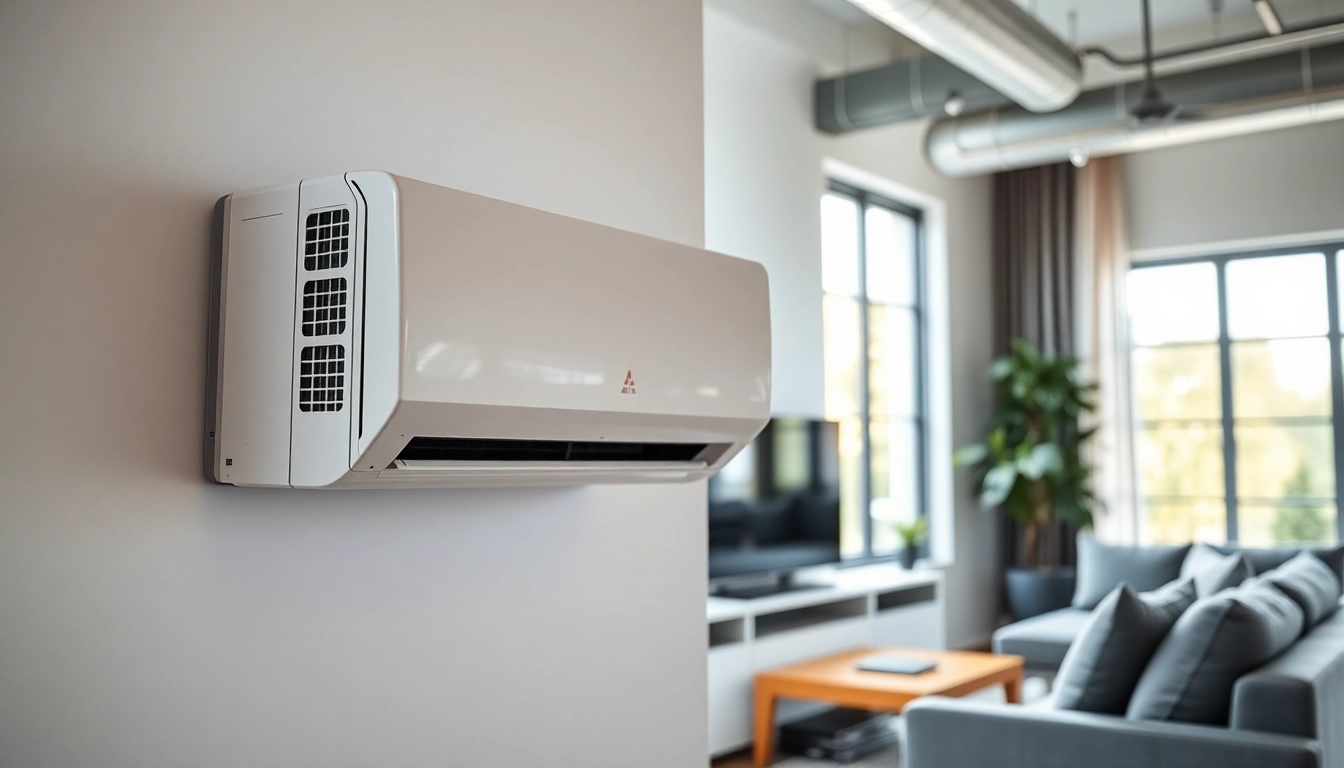
A mitsubishi mini split ac is a ductless air conditioning system that provides efficient heating and cooling for individual rooms or spaces without the need for bulky ductwork. This system typically consists of an outdoor compressor unit and one or more indoor air-handling units, which are designed to be mounted on walls, ceilings, or floors. What sets Mitsubishi mini splits apart is their versatility, energy efficiency, and quiet operation, making them an excellent choice for both residential and commercial environments.
How does the Mitsubishi mini split AC work?
The Mitsubishi mini split AC operates using a heat pump technology that transfers heat between the indoor and outdoor units. In cooling mode, the outdoor unit absorbs heat from the indoor air and expels it outside. The indoor unit then circulates cool, conditioned air back into the space. Conversely, in heating mode, the system extracts heat from the outside air (even in cold weather) and transfers it indoors. This capability allows the Mitsubishi mini split to function efficiently across various climates, achieving desired temperature settings while consuming less energy compared to traditional systems.
Benefits of using Mitsubishi mini split AC systems
Mitsubishi mini split AC systems offer several key advantages:
- Energy Efficiency: These units maintain high SEER (Seasonal Energy Efficiency Ratio) ratings, meaning they utilize less energy for effective cooling and heating.
- Zone Control: Multiple indoor units can be linked to a single outdoor unit, providing personalized comfort to different areas of a home or office.
- Quiet Operation: Designed for quieter operation, Mitsubishi mini splits produce minimal noise, ensuring a comfortable environment.
- Easy Installation: The absence of ductwork simplifies installation, often minimizing construction disruption and costs.
- Advanced Features: Many models come with smart technology and features like programmable timers, remote control options, and mobile app connectivity.
Factors to Consider When Selecting a Mitsubishi Mini Split AC
Size and capacity for proper cooling
Selecting the right size and capacity for your Mitsubishi mini split AC is crucial for optimal performance. An undersized system will struggle to cool or heat a space, leading to increased energy usage and wear. Conversely, an oversized unit may cool the area too quickly, resulting in inconsistent temperatures and humidity levels. To effectively determine your needs, perform a load calculation that considers the room size, ceiling height, insulation quality, and local climate.
Energy efficiency ratings explained
Energy efficiency ratings play a significant role in selecting a Mitsubishi mini split AC. The two primary metrics to consider are SEER and HSPF (Heating Season Performance Factor). The higher the SEER rating, the more efficient the cooling. Ideal options should have a SEER of 16 or above. HSPF rating indicates heating efficiency; look for systems with an HSPF of 8 or higher for optimal performance. Choosing high-efficiency models can lead to substantial savings on energy bills over time.
Features to enhance comfort
Mitsubishi mini split AC units come packed with features to enhance user comfort. These may include:
- Inverter Technology: Provides precise temperature control by adjusting compressor speed, leading to quieter operation and improved efficiency.
- Air Filtration: High-quality filters improve indoor air quality by capturing dust, allergens, and pollutants.
- Smart Controls: Wi-Fi-enabled models allow users to control settings remotely using smartphones, providing flexibility and convenience.
- Multiple Modes: Options for heating, cooling, dehumidification, and fan modes allow for tailored comfort in varying weather conditions.
Installation Process for Mitsubishi Mini Split AC
Preparing your home for installation
Before installation, it’s essential to prepare your home adequately. Start by assessing the optimal placement for indoor units, typically on interior walls or for ceiling mounts. Ensure that the location allows for unobstructed airflow and accessibility to service ports. Additionally, confirm that electrical and drainage access is viable. Understanding the positioning of existing electrical lines can also assist in planning installation routes.
Step-by-step installation overview
The installation of a Mitsubishi mini split AC system generally involves the following steps:
- Mounting the Indoor Unit: Place the mounting bracket securely on the wall, ensuring it is level and able to support the unit’s weight.
- Drilling the Hole: Drill a hole through the wall for the refrigerant, drainage, and electrical lines, ensuring it tilts downwards to facilitate drainage.
- Connecting Lines: Connect the refrigerant line and drain hose to the indoor unit, making sure all connections are tight.
- Installing the Outdoor Unit: Place the outdoor unit on a solid surface or mounting brackets, ensuring adequate space for airflow and maintenance access.
- Electrical Connections: Connect power to the outdoor unit following local electrical codes and safety standards.
- Testing the System: Once everything is connected, test the system to check for proper operation and refrigerant leaks.
Common installation challenges and solutions
While installing a Mitsubishi mini split AC, some challenges may arise:
- Piping and Electrical Routing: Plan routes carefully to minimize complications. Use insulation for refrigerant lines to avoid efficiency losses.
- Mounting Difficulties: Ensure the indoor and outdoor units are securely mounted to prevent vibration and noise. Use brackets and ensure proper leveling.
- Drainage Issues: Ensure drainage lines are pitched correctly to prevent water backing up, which could lead to leaks. Regular checks can prevent long-term damage.
Maintenance Tips for Longevity of Mitsubishi Mini Split AC
Regular cleaning and filter replacement
To keep your Mitsubishi mini split AC running efficiently, regular cleaning and maintenance are essential. Start by cleaning the air filters every month. Wash or replace filters according to the manufacturer’s guidelines. Not only does this ensure cleaner air, but it also helps maintain airflow, preventing strain on the system. Additionally, clean the indoor and outdoor units periodically to remove dirt, debris, and obstructions that can impact performance.
Seasonal maintenance checklists
It’s important to run seasonal maintenance to ensure long-term efficiency:
- Spring/Summer: Before cooling season, check refrigerant levels, clean coils, and test thermostat calibration.
- Fall/Winter: Inspect heating components, clean air filters, and confirm proper functioning of the defrost cycle.
Signs your Mitsubishi mini split AC needs servicing
Be vigilant for signs indicating that your Mitsubishi mini split AC may need professional servicing:
- Increased energy bills without higher usage.
- Unusual noises during operation.
- Inconsistent cooling or heating across zones.
- Water leaks around the unit or indoor areas.
- Unpleasant odors from the unit.
Frequently Asked Questions about Mitsubishi Mini Split AC
What size Mitsubishi mini split AC do I need for my room?
The size you need depends on the room’s square footage, ceiling height, insulation, and heat sources. Generally, 20 BTUs per square foot is a good guide for cooling needs.
How energy efficient are Mitsubishi mini split AC systems?
Mitsubishi mini split systems typically have high SEER ratings, often exceeding 16, making them very energy-efficient compared to traditional HVAC systems.
Can I install a Mitsubishi mini split AC myself?
While installing a mini split AC can be a DIY project, it’s often best left to professionals to ensure correct installation, compliance with local codes, and warranty coverage.
What maintenance tasks should I perform regularly?
Regular maintenance includes cleaning or replacing filters monthly, cleaning coils, checking for leaks, and ensuring proper electrical connections to maintain efficiency.
How quiet are Mitsubishi mini split AC units during operation?
Mitsubishi mini split AC units are designed to operate quietly, with noise levels typically between 19 to 45 decibels, depending on the model, which is comparable to a whisper.