






Understanding the Image to 3D Process
The transformation from a flat, two-dimensional image to a stunning three-dimensional model is an evolving landscape driven by technology and creativity. This process, known as Image to 3D, is increasingly pivotal in various industries—from gaming and animation to product design and e-commerce. As we delve into this process, we’ll explore its definitions, techniques, and the integral role of AI in shaping the future of 3D modeling.
What is Image to 3D Conversion?
Image to 3D conversion refers to the method of translating a 2D image into a 3D model. This involves interpreting the dimensions, depth, and volume of objects and recreating them in a three-dimensional space. The end result can range from simple shapes to complex designs suitable for various applications such as virtual reality, video games, 3D printing, or augmented reality. The technology behind this conversion has advanced significantly, allowing for greater accuracy and detail in the final models.
Common Techniques Used in Image to 3D
Several techniques are employed in the image to 3D conversion process, including:
- Photogrammetry: This method uses multiple photos of an object taken from different angles to reconstruct its 3D model by analyzing the overlapping data.
- Depth Mapping: By analyzing the color differences and shapes in an image, depth maps are created to indicate how far away different parts of the image are, allowing for 3D modeling.
- AI-assisted Conversion: Advanced algorithms analyze images and apply machine learning to predict shapes and volumes based on 2D data.
- Manual Modeling: Traditional 3D modeling techniques still play a role, especially for artists who prefer a hands-on approach to create finely-tuned models.
The Role of AI in Image to 3D Models
Artificial Intelligence has revolutionized the way we approach image to 3D conversions. With machine learning algorithms, AI can understand complex features of 2D images and extrapolate them into 3D, automating what was once a labor-intensive process. AI tools can analyze existing 3D models and use them as references to create new models with similar textures and structures. This not only accelerates the conversion process but also enhances the accuracy and quality of the outputs. Furthermore, AI-driven platforms are being developed that allow users, regardless of their technical skills, to generate 3D models from their images with just a few clicks.
Tools and Software for Image to 3D
As the demand for 3D modeling grows, so does the variety of tools and software available to facilitate image to 3D conversions. Whether you’re a beginner looking to dip your toes into 3D design or a seasoned professional seeking advanced capabilities, there are tools to suit your needs.
Top Software Options for Beginners
For those new to 3D design, the following user-friendly software options provide intuitive interfaces that allow for easy learning and experimentation:
- Canva: Known primarily for graphic design, Canva has introduced tools that allow users to create simple 3D designs from images.
- Tinkercad: A web-based app that provides an accessible platform for creating 3D models through basic shapes—perfect for beginners.
- Sloyd AI: Sloyd offers an easy-to-use interface that converts images to 3D models rapidly, making it ideal for beginners entering the field.
Advanced Tools for Professional Artists
Professional 3D artists may require more robust tools that offer a wide range of functionalities. Here are some of the top choices:
- Blender: A powerful open-source tool used for creating complex 3D models, animations, and simulations. It has a steep learning curve but offers extensive capabilities.
- Maya: Widely regarded in the industry for its comprehensive modeling and animation tools, Maya is a favorite among professional 3D artists and animators.
- CINEMA 4D: Known for its ease of use and powerful motion graphics capabilities, CINEMA 4D is a top choice for artists focused on animation.
Comparison of Free vs. Paid Services
When selecting tools for image to 3D conversion, one major consideration is whether to opt for free or paid services. Free tools are ideal for beginners and those who require basic functionalities. However, they may lack advanced features that professionals need. Paid services, while often more expensive, provide comprehensive capabilities, customer support, and ongoing updates. For example:
- Many free tools such as Blender offer extensive features but often require a steep learning curve.
- Paid options like Sloyd or Meshy AI usually provide easier interfaces and quicker conversion times in addition to customer support.
Practical Applications of Image to 3D
The ability to convert images into 3D models opens a world of possibilities across various industries. Here are some key practical applications:
Using Image to 3D in Gaming
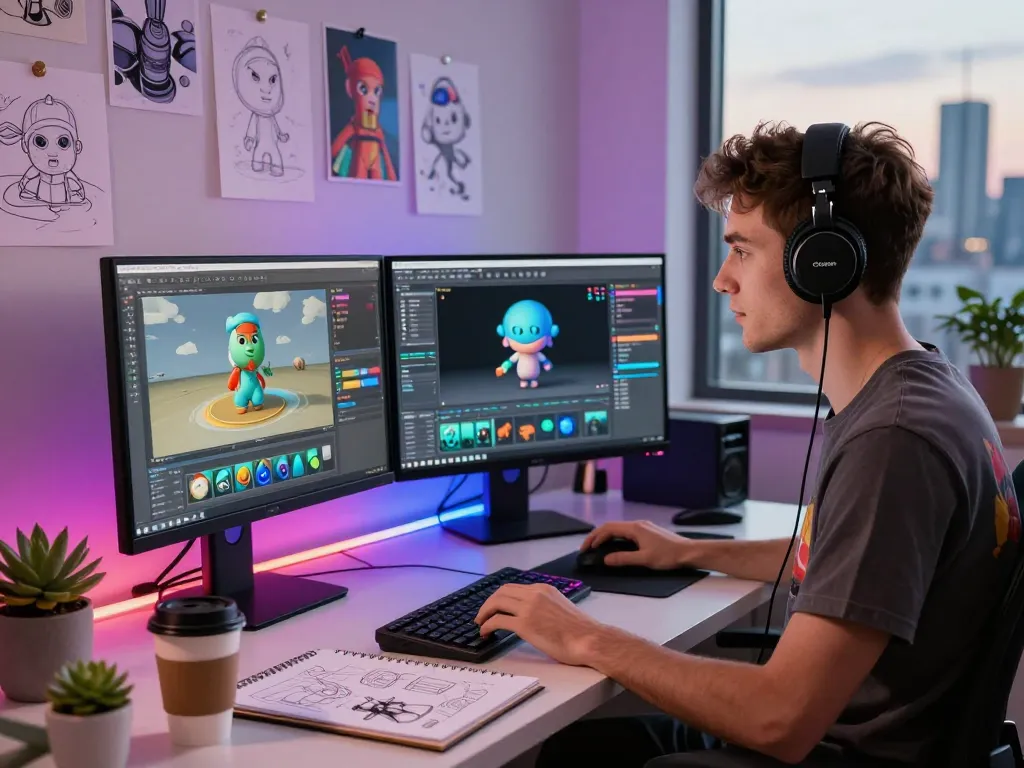
In the gaming industry, the integration of 3D models has become essential for creating immersive experiences. Developers often use image to 3D conversion to quickly generate assets that populate their virtual worlds. By turning concept art and character designs into 3D models, teams can streamline the development process and iterate on ideas more efficiently.
Image to 3D for Prototyping and Product Design
Manufacturers and product designers leverage image to 3D technology to prototype their products. This allows for rapid iteration and testing of designs without the need for expensive physical models. By converting sketches or CAD images into 3D format, designers can visualize their ideas, gauge market interest, and make adjustments before moving to production.
Impact on E-commerce and Marketing
E-commerce platforms are increasingly adopting 3D models to enhance customer experience. The ability to view products in 3D helps customers visualize items more accurately, improving their shopping experience and decreasing return rates. Additionally, brands can utilize 3D models in marketing materials and social media campaigns to stand out in a crowded market.
Challenges in the Image to 3D Workflow
Despite the advancements in image to 3D technology, several challenges remain that can hinder the conversion process. Understanding these challenges and best practices can enhance the success of your projects.
Common Issues Faced During Conversion
Some common challenges faced during the image to 3D conversion process include:
- Quality of Source Images: Low-quality or poorly lit images can lead to inaccurate or incomplete 3D models.
- Complexity of the Image: Highly detailed images can overwhelm conversion tools, resulting in subpar outputs.
- File Format Compatibility: Ensuring that your software supports the file formats of the images being converted is crucial for a seamless workflow.
Best Practices to Overcome Challenges
To mitigate the challenges of image to 3D conversion, consider these best practices:
- Use High-Quality Images: Start with the best possible source images to enhance the output quality.
- Simplify Complex Designs: Break down intricate images into simpler forms to make the conversion more manageable.
- Check Compatibility: Familiarize yourself with the input and output file formats supported by your software to avoid processing delays.
Case Studies: Successful Image to 3D Implementations
Several companies have successfully implemented image to 3D technologies to enhance their workflows. For instance, a popular toy manufacturer utilized this technology to convert sketches into 3D prototypes, significantly reducing their time to market. Another case is an e-commerce giant that improved its product visualization through 3D models, resulting in increased customer satisfaction and reduced returns. These examples highlight the potential of image to 3D conversion across various sectors.
Future Trends in Image to 3D Technology
As technology continues to evolve, the field of image to 3D conversion is set to experience significant changes. Here, we explore emerging trends and predictions for 2026 and beyond.
Predictions for 2026 and Beyond
Experts predict that the future of image to 3D will be characterized by:
- Enhanced AI Integration: As AI models become more sophisticated, the accuracy and speed of conversions will improve dramatically.
- Virtual and Augmented Reality Applications: The growth of VR and AR technologies will lead to increased demand for high-quality 3D models to enhance user experiences.
- Expansion of User-Friendly Tools: More platforms will emerge that cater to non-professionals, making image to 3D accessible to a broader audience.
Emerging Technologies Influencing Image to 3D
Various technologies are poised to influence image to 3D conversions in the near future:
- Cloud Computing: Cloud-based tools will enable faster processing and easier collaboration among teams working on 3D projects.
- Real-time Rendering: Advances in rendering technologies will allow designers to visualize changes instantaneously, leading to more efficient workflows.
- Cross-platform Compatibility: As different devices and systems become increasingly interconnected, the need for tools that work seamlessly across platforms will grow.
Expert Insights from Industry Leaders
Industry leaders emphasize the importance of staying ahead of technological trends in image to 3D conversion. Many suggest that focusing on user experience and integrating advanced AI functionalities will be key drivers of innovation. Investing in training for teams to understand and leverage these new tools will also be essential as the landscape evolves.
What’s Next for Creators?
For creators in the field of image to 3D, the future holds exciting opportunities for expansion and creativity. By embracing new technologies and continuously refining their skills, artists will be able to push the boundaries of what is possible in 3D modeling. Engaging with communities and sharing knowledge will further enhance innovation, leading to groundbreaking applications across various industries.