






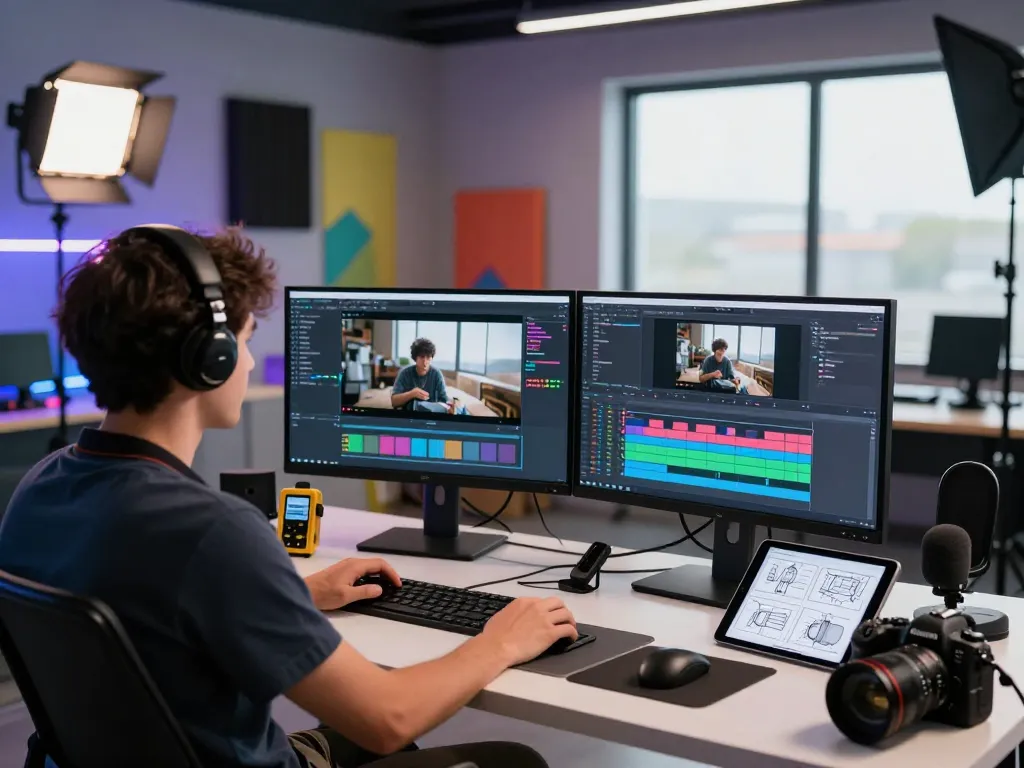
Understanding Kling Motion AI
In the fast-evolving world of digital content creation, video has emerged as a dominant format for storytelling and engagement. The advent of Kling Motion AI has transformed how creators animate still images, ushering in a new era of video generation that is both intuitive and powerful. This innovative technology seamlessly integrates static images with dynamic motion patterns, allowing users to produce high-quality, animated videos in mere minutes. As we explore this groundbreaking technology, we will discover how it stands out in the growing field of motion AI solutions. For those interested in mastering this advanced tool, Kling motion ai offers comprehensive insights into its capabilities and applications.
What is Kling Motion AI?
Kling Motion AI is a state-of-the-art artificial intelligence system designed for image-to-video generation. By analyzing reference images and motion clips, it applies specific motion patterns to static images, enabling them to come to life with fluidity and precision. This motion control technology is built on advanced algorithms that ensure realistic movement, maintaining character identity across frames, and providing an unprecedented level of control over animation. As a result, creators can produce videos that feel organic and engaging, elevating their storytelling capabilities.
Core Features of Kling Motion AI
- Accurate Motion Path Control: Kling Motion AI ensures that every character and camera movement follows defined paths, contributing to more intentional and polished video outputs.
- Facial Expression Preservation: The system maintains facial features and expressions, allowing for a more nuanced portrayal of character emotions.
- Photorealistic Output: Utilizing the Kling 2.6 engine, the generated videos exhibit high-resolution quality, natural textures, and realistic lighting.
- Rapid Video Generation: Kling Motion AI drastically reduces rendering times, allowing creators to iterate quickly without sacrificing quality.
- Cinematic Camera Control: Users can manipulate camera movements, such as pans and zooms, independent of character actions, which enhances the overall visual storytelling.
How Kling Motion AI Compares to Other Solutions
While various image-to-video platforms exist, Kling Motion AI distinguishes itself through its precision and ease of use. Many traditional systems falter in maintaining character integrity or producing smooth transitions. In contrast, Kling Motion AI offers advanced identity preservation and a more intuitive interface, drawing on sophisticated algorithms that make it accessible to both amateurs and professionals alike. Additionally, its capability to handle complex movements, such as Tai Chi or dance sequences, further sets it apart from competitors that might struggle with more dynamic animations.
Getting Started with Kling Motion AI
To harness the power of Kling Motion AI, users must first familiarize themselves with its operational framework. The interface is designed to be user-friendly, guiding creators through the essential steps of image upload and video generation.
Step-by-Step Guide to Using Kling Motion AI
- Upload the Character Image: Start by uploading a clear, full-body or half-body image of the character you wish to animate. Make sure the image has a visible background for best results.
- Add a Reference Video: Select a reference motion video that matches the character’s orientation. This video should demonstrate key movements that you want to translate into the final animation.
- Enhance with Text Prompts: Optionally, use text prompts to describe specific actions or camera behaviors to fine-tune the motion output according to your vision.
- Generate and Export Your Video: After adjusting your settings and previews, click “Generate” and wait for the system to process your video. Once satisfied, you can export your high-quality creation.
Best Practices for Uploading Images and Videos
Maximizing the effectiveness of Kling Motion AI involves following certain best practices:
- High-Quality Images: Ensure your images are of high resolution to maintain clarity in video output.
- Consistent Framing: The framing of your image and reference video should match (e.g., full-body to full-body) to avoid misalignment.
- Clear Motion Reference: Choose reference videos that feature smooth and deliberate movements, with minimal camera drift, to help the AI accurately track and replicate actions.
Essential Settings for Optimal Output Quality
To achieve the best results with Kling Motion AI, consider the following settings:
- Video Duration: Keep the generated videos between 3.5 to 30 seconds, depending on the complexity of the motion.
- File Formats: The system supports .mp4 and .mov formats, ensuring compatibility with most users.
- Text Prompt Specificity: Be as specific as possible in your text prompts, detailing not just the actions but also the atmosphere and desired emotional tone.
Advanced Techniques for Video Creation
Once users are comfortable with the basics of Kling Motion AI, they can explore advanced techniques to enhance their creations further.
Leveraging Motion Control for Realism
Realism in animated videos is often achieved through meticulous control of motion paths. By paying close attention to how characters move in relation to the environment and each other, creators can produce videos that feel immersive and engaging. Utilizing the detailed motion control features available in Kling, users can program complex sequences that mirror real-world physics and movement dynamics.
Tips for Enhancing Character Expressions
Facial expressions can greatly impact the effectiveness of video storytelling. Here are some tips to enhance this aspect:
- Use High-Quality Facial References: Upload images that clearly showcase facial features and expressions to ensure that these nuances are captured by the AI.
- Employ Subtle Emotional Cues: In your text prompts, specify moods and emotions that need to be conveyed, guiding the AI in rendering nuanced facial animations.
- Experiment with Different Angles: Sometimes, the angle of the character in the image can significantly affect how expressions are rendered; experimenting can lead to more dynamic results.
Utilizing Text Prompts for Custom Animation
Text prompts are a powerful feature within Kling Motion AI that allows creators to add specificity to animations. Consider these strategies:
- Detailing Movements: Clearly describe the action you want, such as “walk confidently” or “dance playfully,” to guide the AI.
- Scene Setting: Use prompts to establish the atmosphere, saying things like “create an upbeat vibe” or “set a calm ambiance,” which can influence video pacing and editing.
- Utilize Camera Instructions: If specific camera movements are needed—like a drone shot that swoops down or a close-up—include those in your prompts.
Common Challenges and Solutions
Despite the ease of using Kling Motion AI, users may encounter challenges during their video creation process. Here are some common issues and their solutions.
Addressing Identity Preservation Issues
One of the challenges in animation is maintaining the identity of characters across various frames. Kling Motion AI excels in this area, but to enhance its effectiveness, users should:
- Ensure images used for animation are high-quality and consistent in style.
- Keep lighting and color tones similar across all frames to minimize visual discrepancies.
Overcoming Motion Path Control Limitations
If the motion paths aren’t syncing correctly with the character images, consider adjusting the reference video. It should have:
- Clear and distinct actions that are easy for the AI to interpret.
- A stable background to help the AI distinguish between character movement and scene changes.
Resolving Rendering Performance Bottlenecks
Rendering can become a bottleneck if large files are used or if complex animations are attempted. To mitigate this:
- Optimize your character images by reducing file size while maintaining quality.
- Break down larger projects into smaller segments to enhance processing speed.
Future Trends in Motion AI Technology
The landscape of motion AI technology is constantly shifting, and staying ahead of trends is vital for creators aiming to leverage these tools effectively.
Emerging Developments in AI Video Creation
As technology advances, we can expect more sophisticated integrations of AI in video creation. Expect developments such as:
- Improved natural language processing capabilities to facilitate even more complex and intuitive text prompts.
- Enhanced real-time rendering technologies for live animations.
Predictions for Motion AI in 2026 and Beyond
By 2026, the potential for motion AI is vast. We might see:
- Broader accessibility, allowing non-technical users to create high-quality animations effortlessly.
- Integration with other digital tools, such as VR and AR, creating more immersive storytelling experiences.
Preparing for Evolving User Needs in Video Production
As the demands of content consumers evolve, creators must prepare for changes in user preferences. Embracing flexibility in the use of motion AI will be key, ensuring that users can adapt to trends such as:
- Short-form content for platforms like TikTok and Instagram.
- The growing expectation for interactive and personalized video experiences.
How long does it take to generate a video with Kling Motion AI?
The generation time with Kling Motion AI is significantly reduced compared to earlier iterations of motion AI technology. Depending on complexity, users can expect video generation to take just a few minutes.
Can I use Kling Motion AI for commercial projects?
Yes, Kling Motion AI can be utilized for commercial projects. However, it is essential to review the licensing agreements associated with your output to ensure compliance.
What image quality is best for using Kling Motion AI?
For optimal results, high-resolution images, preferably without compression artifacts, are recommended. Full-body images with a clear background tend to yield the best results.
Does Kling Motion AI support various video formats?
The platform supports popular video formats, including .mp4 and .mov, catering to a wide range of user preferences and distribution channels.
Are there templates available for beginners using Kling Motion AI?
Indeed, Kling Motion AI offers various templates tailored to help beginners quickly learn the ropes of video creation and leverage the full potential of the tool.